
Where Henry County City Directory Years Survive
Henry County historical-directory research begins by choosing a real edition and repository. The verified shelf is fragmented: Library of Congress scans cover several McDonough telephone books, a separate Georgia Room inventory lists mixed-community volumes, and Brown House holds broader local and Atlanta sources.
| Collection | Years | Where Held | Access |
|---|---|---|---|
| McDonough telephone white pages | March 1974, March 1975, April and December 1976, December 1977 | Library of Congress | Free digitized scans |
| McDonough, Hampton, and Stockbridge directories | 1973, 1974, 1980, 1982, 1983, 1984-85, 1987 | Cobb County Library Georgia Room | Onsite |
| Atlanta city directories | Unspecified | Brown House Computer Room | Onsite |
| Henry County Weekly | April 1892 to August 1923, plus related 1891 titles | Georgia Historic Newspapers | Free OCR and images |
No authoritative continuous local run, verified reverse-directory series, full publisher list, first edition, or final printed edition was found. The mixed-community collection has gaps, and the digitized telephone set covers specific months rather than every year. Ask repository staff to confirm a shelf item before travel.
A useful citation names the community, edition month and year, repository, page or image number, and the exact part of the alphabet covered. That detail lets another researcher distinguish a missing subscriber from a missing page or an edition that never covered the searched surname.
The Brown House Is Henry County's Directory Research Desk
The Family Research Library at the Brown House occupies an 1826 former hotel at 71 Macon Street in McDonough, two blocks from the courthouse. The non-circulating collection holds more than 3,500 items and opens Wednesday and Friday from 10 a.m. to 3 p.m., with appointments also available. Nonmember research costs $10 per visit, copies cost 50 cents, and flash drives are allowed or sold for $7.
The rooms create useful research paths. The Georgia Room holds Henry books, maps, periodicals, and county material. The Microfilm Room adds local newspapers, census rolls, Confederate pensions, microfiche, and land-lot maps. Computers provide subscription databases and old Atlanta directories, while the Family Studies Room holds compiled family histories.
Staff can orient a researcher to holdings, but the collection is not a substitute for a courthouse record. Cite the title and edition found, then use deeds, probate, or other primary sources to test identity.
Bring known names, date ranges, and places instead of a broad request for a family tree. Save the title page and abbreviation key with each useful page. If a surname falls outside the scanned fragment, ask whether another reel, bound volume, or linked edition completes the alphabet before marking the search negative.
Open Henry County City Directories and Archives Online
The strongest digitized telephone-book artifact is the April 1976 McDonough telephone directory gallery at the Library of Congress, with linked nearby editions. Its catalog title may name an alphabet fragment, which is a warning that a scan endpoint is not always a complete A-to-Z book.
The Georgia Archives county microfilm cards help identify government records and reels beyond directory books.
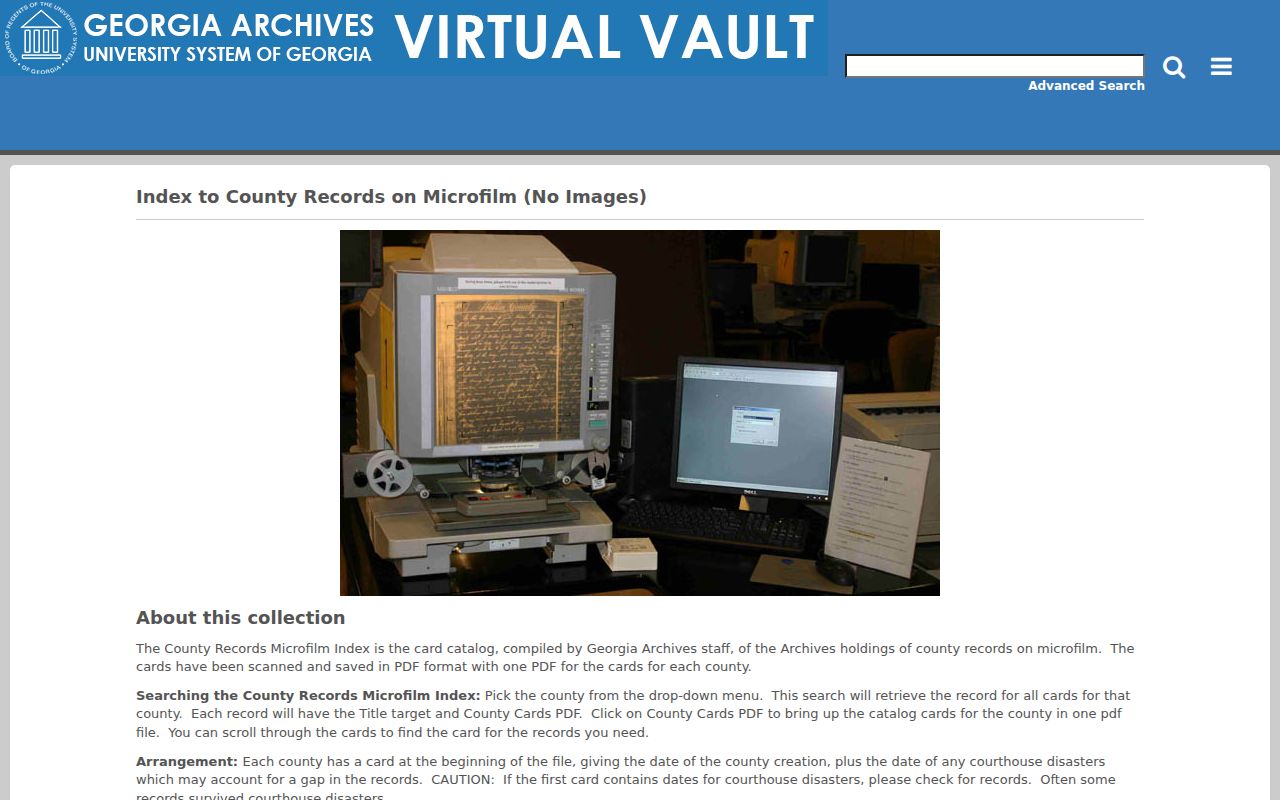
The cards point to archival series and date spans; they do not prove that a named person appears in a volume.
The broader Georgia Archives Virtual Vault supplies digital collection search and a state fallback when a local shelf ends.
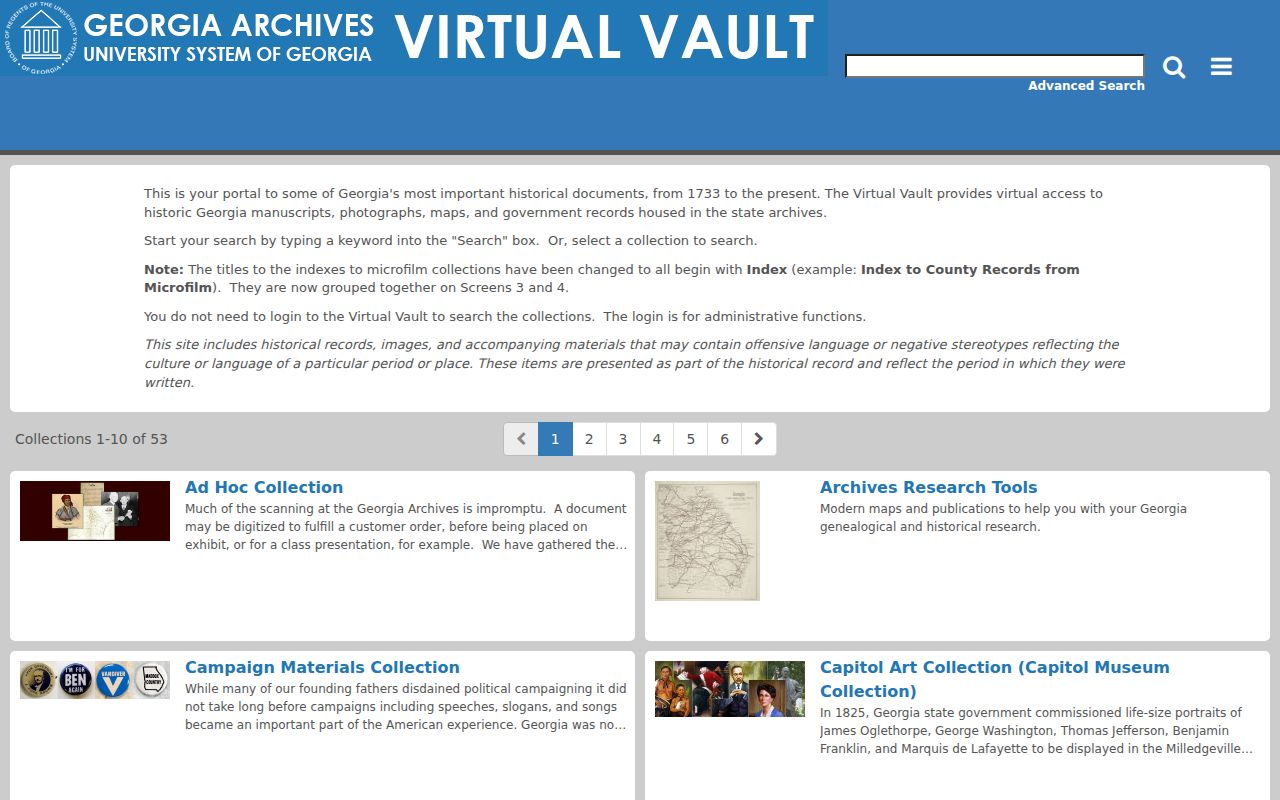
“Ask an Archivist” is suitable for brief holdings questions, not full genealogy work or proof of kinship.
Read a Henry County City Directory Entry Precisely
The verified local scans are telephone white pages, not Polk-style occupational directories. A defensible local entry contains only the fields visible in that edition. Do not add an occupation, spouse, employer, ownership mark, or widow notation merely because another community's volume uses those conventions.
| Name | Surname plus given name or initial as printed |
|---|---|
| Street address | House number and street wording in that edition |
| Telephone | The listed subscriber's telephone number |
| Edition evidence | Month, year, page, and alphabet fragment title |
| Not verified locally | Occupation, spouse, employer, owner or renter mark, and widow notation |
- Criss-cross directory
- A volume arranged by address or telephone number. No verified Henry County run was located.
- Householder index
- An address-ordered list of named household heads or subscribers, when a directory includes one.
- Abbreviation key
- The edition's own guide to shortened street, status, or entry terms. Save it before decoding a page.
A 1909 Henry County Newspaper Worked Like a City Directory
The digitized Henry County Weekly spans April 1892 through August 1923, with related titles from 1891. One 1909 page served as an official civic roster, listing officials, courts, justice districts, and meeting days. It is civic evidence rather than a household roll, but it can identify a public role and the local institution tied to a name.
Newspaper OCR is only a finding aid. Search spelling variants, inspect the page image, record the issue date and page, and distinguish a listed official from a private resident with the same name. Brown House also provides local newspaper and database access for follow-up work.
Pair Henry County Directory Years With Maps and Census Records
McDonough Sanborn maps survive for May 1905, October 1911, and December 1923. They show street form, structures, and uses, not occupants. Federal census sources cover 1850 through 1950 for local work and can identify household members in the census era. These sources fill different gaps from a 1970s telephone book.
| 1905 | Two McDonough Sanborn sheets |
|---|---|
| 1911 | Three McDonough Sanborn sheets |
| 1923 | December Sanborn edition |
| 1973-1987 | Fragmented local directory and telephone-book evidence |
A map can test whether an address or building form existed, while the census can supply a household. Neither should be made to say what only the chosen directory edition shows.
Extend a Henry County City Directory Find With Wills and Cemeteries
The Genealogical Society's Historic Documents collection provides surname-range images for the Henry will-book index and a grid for McDonough Memorial and City Cemetery.
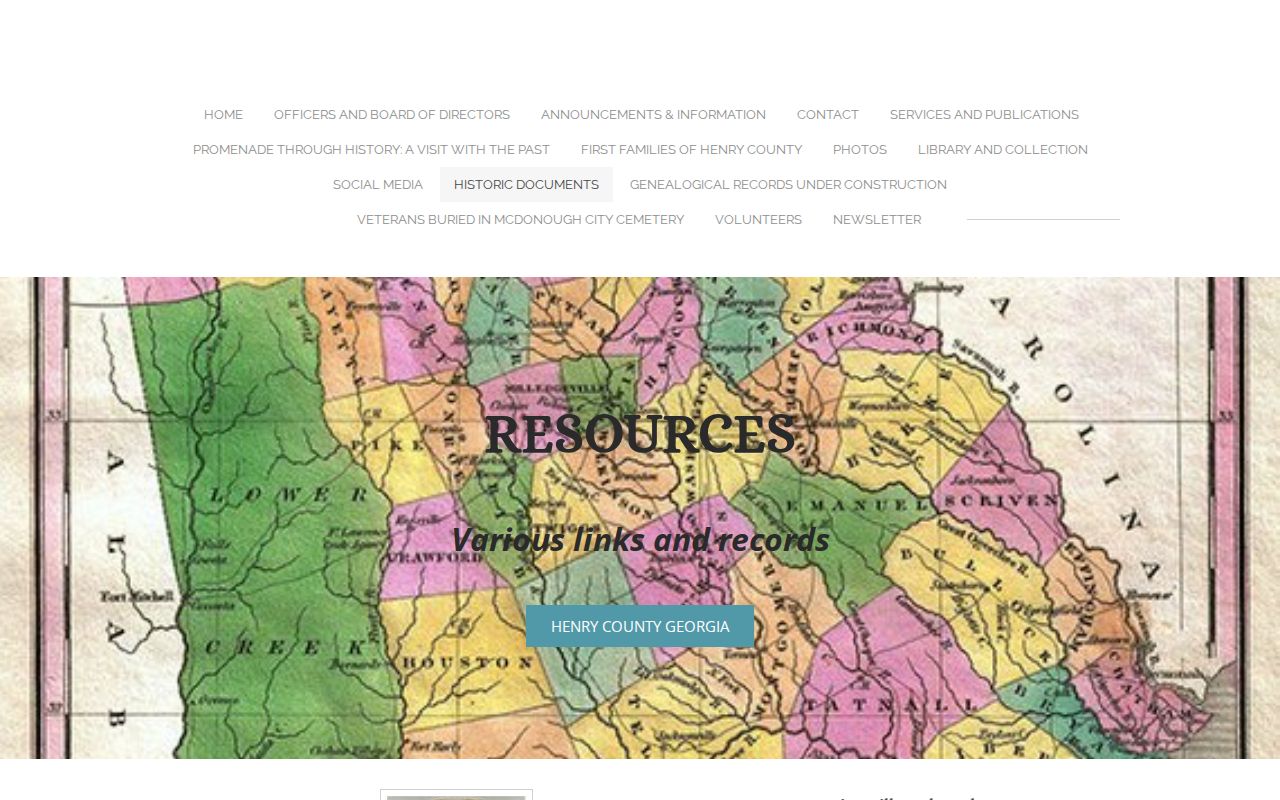
These finding aids can suggest a probate or burial trail after a subscriber disappears, but the underlying will, estate file, or cemetery record must still be checked.
The same caution applies to a missing directory name. A person may have moved, died, changed the form of a name, stopped subscribing, shared a listing, or fallen outside a partial scan. Absence is a prompt for another source, not a conclusion.
Trace a Family Through Henry County City Directories
A sound family trail preserves each printed entry exactly, then tests it against a source that can answer a different question. Henry County's fragmented years make edition control especially important.
- Start with a known name, place, and rough year. Search the exact edition, then try initials and spelling variants.
- Copy the printed name, address, telephone, edition date, page, and fragment title. Do not modernize the street text in the transcription.
- Compare adjacent available editions. Mark a change as a dated clue rather than assuming it records the exact day of a move.
- Match a 1970s address to the assessor and deed chain. Use the Henry County street directory workflow for modern parcel and title evidence.
- For earlier eras, pair census households with deeds, probate, cemetery aids, newspapers, and the surviving Sanborn sheets.
- If a current identity must be confirmed, use the resident lookup sources and require two independent links before merging same-named people.
Henry County's land index reaches from 1822 to the present through two online modes split at 1940. That long title trail can anchor a family or house study when the directory shelf is thin. The Georgia Archives supplies deed and mortgage index microfilm as a historical fallback, while the Brown House supplies compiled sources and staff orientation.